QUICK LINKS
T3a: Local animal Service Provider venn diagram
t3B: Social networking venn diagram
T3a: Local Animal Service Provider Venn diagram
A Venn diagram seeks to represent relationships between individuals, groups and/or other key actors or resources by representing them as “components” or “nodes”, and the associations between them as links or lines. Various attributes such as colour, size, distance between and other properties may be used to characterize different kinds of relationships. For example, Venn diagrams have the potential to visually represent the relative importance of different relationships or resources, the frequency of interaction between actors, and/or access to different actors or resources. For the purpose of animal welfare, the tool has been adapted to analyse relationships between animal owners, users and/or caregivers and animal-related resource and service providers, as well as assess the relationships between individuals, groups, and actors important to the lives of animal-owning communities and their animals. The process of visually mapping relationships can inform planning by enabling targeted strengthening and/or development of new relationships, for both the community and the organization.
| Tool purpose: | Time needed: |
• To identify animal-related resource and service providers animal-owning communities rely on most and their level of satisfaction with each one.
• To identify the community’s preferred resource and service providers to build or strengthen their capacity, or improve relationships with those less preferred.
• To identify gaps in service provision, which if addressed, could better meet the needs of animals and people.
• The activity may be repeated to assess changes and improvements that have resulted from any activities implemented by communities and/or the facilitating organization. | 1.5 - 2 hours per diagram |
| Materials needed: |
| Chart paper, coloured sticker dots and/or coloured markers, coloured index cards or sticky notes, large circular cut-out of different colours and sizes. |
Project Phase:
Initiation Phase, Planning Phase
Approaches for Working With Communities:
Community Development Approach, Community Engagement Approach
Behavioural Drivers (COM-B):
Behaviour Change Diagnosis and Planning
Project Support:
Participatory Learning and Action Tools, Needs Assessment
Specific Topics:
Animal Health and Services
Resource and service provider Venn diagram
This tool enables community members to identify all the animal-related resource and service providers on which they rely. Examples of resources include: water points, grazing land, fodder production or storage areas, grain grinders, animal shelters; while service providers may include: local animal health service providers, veterinarians, feed supply shops, working animals’ equipment shops and/or money lenders. This activity may build on information gathered in the T1 Mapping activity - related to the most important resources and services to the community - as it goes into more detail to understand usefulness, availability, frequency of use and satisfaction with each provider. Once identified, participants are able to analyze their relationships and usage of different resources and service providers, including their relative importance to the welfare of their working animals and people who depend on them.
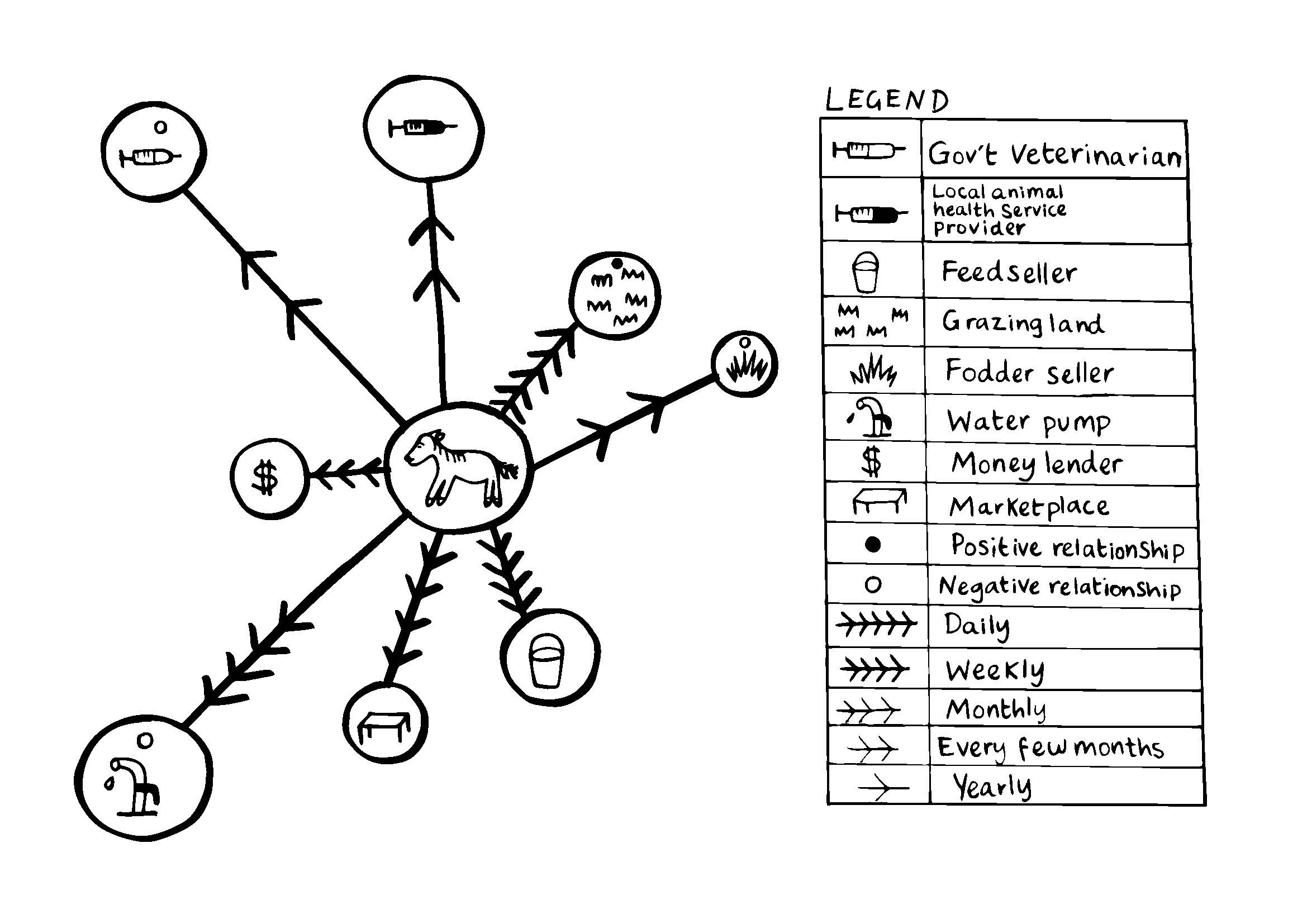
Figure T3A Venn diagram of a community’s animal-related resources and service providers
In the example above, members of an animal-owning community created Venn diagram to represent the animal-related resources and service providers they rely on. The size of the circles represent the perceived relative importance and usefulness. Distances from the centre represent availability and arrows represent frequency of use. Discussions highlighted the following important information:
- The government veterinarian is shown in a large circle because this service provider is perceived to be useful, and was placed far from centre circle due to their poor responsiveness/availability, with infrequent use indicated by two arrows.
- The local animal health service provider was felt to be more useful, represented by a slightly larger circle; however, their services are similarly used infrequently, despite their higher responsiveness/availability.
- Participants indicated satisfaction with the local animal health service provider due to their lower relative cost despite recognizing they provide lower quality care.
- They also indicated they were unsatisfied (red dot) with the government veterinarian due to their higher cost and low responsiveness, despite acknowledging that they provide higher quality service.
- Discussions also highlighted that participants only call the local animal health service provider if animals get very sick, identifying an absence of preventative animal health practices amongst animal-owning households.
| Resources and Service Provider Venn diagram |
|---|
| Step 1 | Start by explaining the purpose of the exercise and then ask participants to identify the resource and service providers that are important to them in terms of usefulness to their animals. Ask them to start by first identify the MOST useful resources and service providers and represent them on the LARGEST size pre-cut circle of paper with words or symbols. Alternatively, they may use local materials and place them on top of the paper circles.
Continue identifying the next most important/useful resources and service providers using the next smallest sized circle and so on, until all resources and service providers have been identified with the biggest circles representing the most useful resources and service providers, and the smallest circles representing the least useful. There is often a lot of debate and discussion while categorizing the usefulness of different resources and service providers. |
| Step 2 | Next ask participants to draw a picture representing their animals (or their community) in the centre and place the different sized circles representing resources and service providers around it. Then ask participants to move the resource/service provider circles closer or further away from the centre according to their availability e.g. enough resources or service provider responsiveness available when needed.
Please note circle placement from the centre may be adapted to represent another variable. |
| Step 3 | Once all circles have been placed around the central circle, ask the ask the group to indicate which resources and service providers they use most frequently by drawing arrowheads on the lines between the centre circle and each resource or service provider.
In the example above, a scale of 5 arrows was used to represent the following frequency parameters:
• 4 arrows: weekly
• 3 arrows: monthly
• 2 arrows: every few months
• 1 arrow: yearly
Allow participants to define frequency parameters in a way that makes sense to them. |
| Step 4 | Next, ask participants to discuss their level of satisfaction with the resources or service providers. Symbols or objects may be placed on each circle representing the resource or service provider to indicate or score participants’ satisfaction (e.g. happy/sad face ☺/☹, or green/red dot 🟢/🔴, seeds or beans). There is often a lot of interesting discussion and insights generated while participants discuss resources and service providers they are satisfied or dissatisfied with.
Additional dimensions may also be added to this Venn diagram exercise by asking participants to use beans, seeds, or stones to represent other variables. For example, participants can score the cost or quality of an animal-related resource or health service providers. |
| Step 5 | Once complete, encourage participants to discuss what the Venn diagram shows. Use the following questions to guide the discussion:
• If not already discussed through during the creation of the diagram, it may be helpful to ask:
Why some resources or service providers considered useful?
Why are participants satisfied or unsatisfied with certain resources or service providers?
Why are some resources or service providers relied on more frequently/infrequently?
• Are there any resources or service providers missing from diagram which, if existed, could better help meet the needs of your animal? Why are they missing and why are they needed?
• What changes in animal-related resources and service providers could better serve you and your animals?
• What have you learned because of participating in this activity? |
| Step 6 | The diagram should be documented through photos or recreated on paper. Copies should be made and distributed to the group for their records, future reference and/or action planning. Add a copy to your project action tracker and note preferred resource and service providers. |
Facilitation Notes: Resource and service provider Venn diagram
- It is useful to examine perceptions of animal-related resources and service providers with different groups in a community as they may rely on or have different perceptions of resources and service providers. Consider asking both men and women from animal-owning households to participate in this activity; or if it is not feasible or appropriate to conduct this activity with both sexes together, consider conducting this activity separately.
- Facilitators should not control or insert their ideas into the diagram, but rather facilitate the process so that people design it themselves. Probing questions may be used to encourage people to think about the general categories of individuals, groups and actors to include.
- Facilitators are encouraged to adapt the parameters and symbols as needed to investigate topics of interest and/or simplify the activity.
- Try representing each resource and service provider on different pieces of paper, as it allows participants to move cards around throughout the discussion. However, the activity may also be drawn directly on the ground using chalk, sticks or stones as needed.
- If using paper circles, it is helpful to cut out a selection of different sizes ahead of time. Consider preparing at least 5 different sizes of circles to enable the relative importance of all identified resources and service providers to be effectively captured.
Next Steps
- Information on resource and service provider gaps identified in the initiation phase may be useful for informing discussions during the community action planning phase.
- Consider using T9 Matrix Ranking and Scoring to better understand the criteria informing animal-owning households’ preferences for different resources and/or service providers, explore their satisfaction/dissatisfaction in more detail and prioritize their preferences for community action planning.
- Use preferred resource and service providers, identified dissatisfaction and gaps in use or knowledge to inform project planning.
T3b: Social Networking Venn diagram
The social network Venn diagram illustrates relationships between individuals, groups and/or other key actors or resources by representing them as “components” or “nodes”, and the associations between them as links or lines. Various attributes such as colour, size and distance between each may be used to characterize different types of relationships. For example, Venn diagrams have the potential to visually represent the relative importance of different relationships or resources, the frequency of interaction between actors, and/or access to different actors or resources. For the purpose of animal welfare, the tool has been adapted to analyse relationships between animal owners, users and/or carers and animal-related resource and service providers, as well as assess the relationships between individuals, groups, and actors important to the lives of animal-owning communities and their animals. The process of visually mapping relationships can inform planning by enabling targeted strengthening and/or development of new relationships, for both the community and the organization.
| Tool purpose: | Time needed: |
• To identify individuals, groups and key actors perceived to be important to households and their animals (positively or negatively).
• To understand the relative importance of different actors.
• To understand differences between men and women’s access to individuals, groups and key actors within their social network.
• To inform planning by identifying social network gaps that, if addressed, could better meet the needs of animals and people.
• This tool may be useful for identifying potential collaborators or partners already working in the community. | 2 hours |
| Materials needed: |
| Chart paper or coloured dust, chalk, coloured sticker dots and/or coloured markers, coloured index cards or sticky notes, stones, sticks, seeds or beans. |
Project Phase:
Initiation Phase, Planning Phase
Approaches for Working With Communities:
Community Development Approach, Community Engagement Approach, Societal Outreach and Campaigns Approach
Behavioural Drivers (COM-B):
Behaviour Change Diagnosis and Planning, Opportunity
Project Support:
Participatory Learning and Action Tools, Needs Assessment, Gender Analysis
Social network Venn diagram
The social network Venn diagram can be used to analyse social networks within a community. The household or community could be the focal point for analysis.
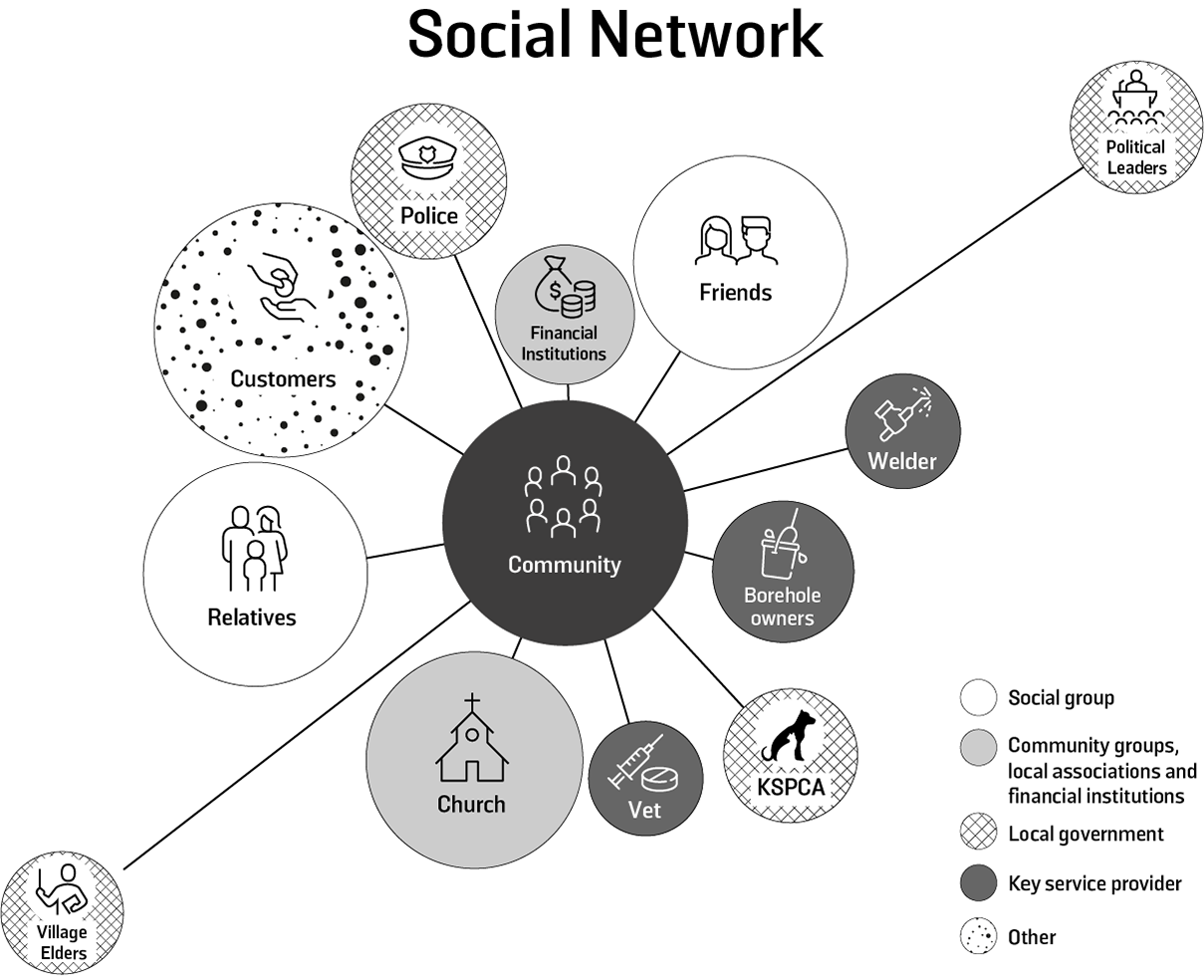
Figure T3B Venn diagram of a social network in Kenya
In the example above, a men’s equine welfare group in Kenya created a simple social network map. The central circle represented their community and different coloured circles were used to represent individuals, groups and other key actors with whom participants had relationships that were perceived to have an impact on their lives and the lives of their animals. Lines were drawn from each social connection to the centre, with the length of line representing the perceived strength of each relationship. The size of each circle represented the perceived importance of each relationship to their lives of the lives of their animals. In Kenya, as village elders have provincial administration capacity they are considered and categorized under local government. KSPCA (Kenyan Society for the Protection and Care of Animals) is also a non-governmental organization that has a mandated protection that is directly linked with the government.
| Social Network Venn Diagram |
|---|
| Step 1 | Start by explaining the purpose of the exercise and ask participants to identify people, groups, and key actors that they perceive as significant to theirs and their animals’ lives. Use the following types of individuals, groups, and key actors (not resources) as a guide for probing the community, whilst keeping the conversation animal related.
You can add more as contextually appropriate:
• Social groups (e.g. close friends, relatives, neighbours)
• Community groups, local associations and organizations, local financial institutions (e.g. self-help group)
• Local government staff (e.g. social service officers)
• Non-governmental organization (NGO) and/or agency staff
• Key service providers
• Others e.g. employers, market buyers/sellers, financial service providers
Ask if there are any individuals, groups or organisations missing from the social network which, if existed, could better help meet household needs and/or the needs of your animal? Why are they missing and why are they needed?
Ask the helper to write responses on different note cards or pieces of paper, asking the group which ones are most important (large circles), important (medium circles) and least important (small circles) ensuring they are colour categorised as above, using words or symbols and place them on the ground for all to see. |
| Step 2 | Ask the helper to draw a circle in the middle of the chart paper or on the ground and make a symbol representing their community in the centre. Organize all cards in large circle around the community circle.
Next, ask participants to move the cards around the centre circle as per the relative strength of the relationship with those actors. Those closest to the centre represent the strongest relationships, while those farthest away the weakest. The facilitator should clarify the criteria that makes a weak versus a strong relationship, such as accessibility, availability, and level of satisfaction and whether they have a positive or negative impact on theirs and their animals’ lives. Place a symbol (e.g. +/- OR happy/sad face OR green/red dot) on each actor’s card to indicate the nature of the relationship, making sure it reflects the impact on both humans and animals. |
| Step 3 | Once all cards have been placed, ask participants which of the actors support their animals specifically. Mark the card with coloured dot or sticker representative of the animal. The more the dots or sticker representing the animal are placed on an actor, the more support the actor provides. |
| Step 4 | Ask participants to identify which relationships are accessible by men, women, or both, by placing a different indicative mark on the card (either using pens or stickers, or bean types). If the relationship is accessible to both men and women, ask whether accessibility is equal for both sexes. You may wish to place a > / = / < in between the representative marks or objects to indicate which sex has greater access. If it is just one group (e.g. only men) then this step is not necessary. |
| Step 5 | Once the social Venn diagram is complete, encourage participants to discuss what it shows (if not already identified through previous discussions).
Consider using the following questions as a guide:
• Why are some relationships perceived to be more or less important?
• Why are certain actors more important for men or women? (If identified)
• Are there differences between men, women and/or children within the household?
• Why are some actors positively or negatively affecting people and their animals?
• What changes in this network could improve yours and/or your animals’ lives?
• What can you as an individual or group do to improve your relationships with these actors?
• What have you learned because of participating in this activity? |
| Initiation Phase: |
| Step 6 | The diagram should be documented through photos or recreated on paper. Copies should be made and distributed to the group for their records, future reference and/or action planning. Add a copy to your project action tracker. |
| Planning Phase: |
| Step 7 | Have the community helper record any actions the group agrees to the community action plan.
Record the community’s agreed actions and activities in your project action tracker and support the community by following up with any identified key stakeholders. |
Facilitation notes: Social Network Mapping
- Knowledgeable individuals can be consulted in advance to help identify key actors within the community, particularly governmental and NGO actors.
- Use different coloured note cards or marker colours to represent the different categories of relationships listed above to facilitate diagram analysis upon completion.
- Both men and women should be asked to participate, as they may have different relationships, value and access to/with actors. If it is not feasible or appropriate to conduct this activity with both men and women, conduct it separately.
- Consider having a co-facilitator/note-taker for this activity so that important insights from discussions can be effectively captured.
- The facilitator must focus the group on identifying primary types of individuals, groups, and key actors, rather than focus on actual names, as this will be different for every participant and will make it difficult for them to identify the relative importance or influence of these relationships in the next steps.
- Facilitators should not control or insert their ideas into the diagram, but rather facilitate the process so that people design it themselves. Probing questions may be used to encourage people to think about the general categories of individuals, groups and actors to include.
- Dominant personalities may take over during these discussions and the facilitator must make sure to involve people who are left out. Continue to seek out and encourage input from those who are not participating throughout the exercise. Ask if others agree with ideas of dominants, and consider assigning tasks to different persons throughout the exercise e.g. placement of cards, symbols etc.
- Often community members do not know the names of key government or NGO actors. In this case, encourage participants to simply explain the nature of the relationship or activities undertaken by these actors and investigate them later.
- Using paper cards or sticky notes is helpful as it allows participants to move cards around throughout the discussion. Consider using different colour papers or markers to represent different types of actors and create meaningful contrast and easier analysis upon completion of the activity.
- In the rapport building phase, the community leaders and chiefs will likely be in attendance and, therefore, a clear and accurate picture of the social system may not be possible, as participants may not feel possible speaking freely. Once trust is established and the group size is smaller, the facilitator will come to understand the true social dynamics.
Next Steps
- Plan to support the community to strengthen or develop relationships with key actors to support animal welfare improvements and address gaps in services.
- Keep a list of key stakeholders identified as important to the lives of the participants. Arrange meetings with them to discuss collaborations or future implementation activities (e.g. service providers, government officials, NGOs).
- Consider inviting identified relevant community leaders or active members of society to future meetings to help strengthen relationships and collaborations between the groups.
Link to References Cited
QUICK LINKS
T5 Gender Roles and Responsibilities Resources and Services
T5 community activity
T5 Facilitator's NOTES
T2 NEXT STEPS
T5 Gender Roles and Responsibilities Resources and Services
This adapted gender roles and responsibilities activity explores the division of labour and workload between men, women, boys and girls related to animal care and use [49]. All family members are usually responsible for looking after the animals in the household, although different people are responsible for different tasks and use animals for different purposes. Sometimes animal welfare interventions unintentionally target only men or only women. However, to improve all aspects of animal welfare and promote gender equality, both men, women and children who play a role in the lives of animals should be invited to participate in this activity. It can be helpful to conduct T4 Daily Activity Schedule prior to undertaking this activity so you can contextualize gender roles and responsibilities related to animal care and use understand within men’s and women’s broader daily activities and associated time and labour commitments.
| Tool purpose: | Time needed: |
• To understand men’s and women’s animal care-giving and use roles and responsibilities, and identify whether they desire changes in the division of labour.
• To inform appropriate targeting of animal welfare extension messages, capacity building and training to relevant household members
• As a useful entry point activity for involving men and women in an animal welfare improvement project and beginning to understand different opportunities and constraints men and women face in promoting animal welfare. | 2 hours |
| Materials needed: |
| Markers, chart paper, post-it notes, cards or coloured powder/chalk, sticks, stones, beans or other locally available activities. |
Project Phase:
Initiation, Planning, Evaluation and Exit
Approaches for Working With Communities:
Community Development Approach; Community Engagement; Social Outreach and Campaigns
Behavioural Drivers (COM-B):
Behaviour Change Diagnosis and Planning, Opportunity
Project Support:
Participatory Learning and Action (PLA) Tools, Needs Assessment, Gender Analysis
Specific Topics:
Animal Husbandry and Management
Gender roles & responsibilities
An animal-owning community in Halaba, Ethiopia, used this activity to explore differences in roles and responsibilities between men and women. The group of men and women started by identifying animal use and care activities together. The mixed group then divided into two smaller groups - one group of men and one group of women - to examine the distribution separately. The group used 10 pebbles to score the division of labour for each identified activity.
Figure T5A Animal-related men’s and women’s roles and responsibilities
Men and women viewed the differences in division of roles and responsibilities differently, as reflected in figure T5A. In many cases, men considered themselves to have more responsibility for caring for animals than women. For example, men claimed that they are the main seekers of service provision and health treatment (vaccinations) for animals. The main differences between men and women were:
- Women have more responsibility for providing water and cleaning the animal’s shelter
- Men have more responsibility for grooming, cleaning equipment, allowing the animals the play and roam freely
- Men use animal’s more for incoming generating activities
- Women came up with more animal use activities following the division of women’s and women’s groups
Once the mixed group of men and women were divided, women identified three more categories of animal usage (highlighted in red), which men were mostly responsible for, including transporting agriculture for household consumption (urban to rural), transporting agricultural inputs for household use and free transport of people around the community or to local events.
Participants discussed why some of the activities were only carried out by men or women and what effect this had on their animals. Men commented that women do more for the animals than they would have acknowledged before undertaking the activity and that there might be an opportunity for women to take on more responsibility. Women also expressed an interest in taking on more responsibility and suggested an opportunity for:
- Men to share more of the water provision and shelter cleaning activities
- Women to share more of the equipment cleaning and hoof care activities
- Women to use the animals more for income-generating activities
Following the community activity, the facilitators examined the two charts side-by-side and identified an opportunity for training women on humane handling, which they had already provided to men and witnessed significant improvements. They noted this opportunity in the team action tracker and made a point of discussing interest with the group in the next community session.
| Gender Roles and Responsibilities |
|---|
| Step 1 | Ask the community helper to draw a large table, either on the ground or on chart paper. There should be three main columns: ‘activities’, ‘men’ and ‘women’.
Please note: Additional columns can be added to include boys and girls (children) if desired. |
| Step 2 | Ask participants about the activities and decisions men and women are responsible for related to the care and use of their animals. Have the community helper write them down on cards using words or drawings or use locally available materials representative of the activities identified. If this activity is being conducted about working animals, once all activities related to care have been identified, ask participants to identify any ways they use their animal, and have the community helper list these within the first column.
Include activities carried out on a daily, weekly, or monthly basis (e.g. seasonal, or periodic work such as festivals or special events), as well as key decisions important to the care and use of the animal |
| Step 3 | Ask the group to indicate how the workload for each identified activity is divided or shared between men and women (and boys and girls if included), using up to ten seeds, stones, or marks/dots to score their relative contributions. You might start the conversation by asking the question: ‘Who is responsible for each activity?’
For example: A score of 10 = full responsibility; 0 = no responsibility. If men and women are both responsible for carrying out the activity, the pebbles would be divided equally (see figure T5A, in ‘care’ + ‘feeding’, men and women scored evenly).
Once the chart is complete, ask the community helper to circle the scores with large discrepancies between men’s and women’s responsibilities. |
| Step 4 | Ask the community to discuss the results of the activity. The facilitator or supporting note taker should take notes on key insights that emerge from the discussion.
Consider using the following guiding questions to facilitate the discussion:
• Who is predominantly responsible for care? For use? How were these roles and responsibilities determined?
• Referring to identified discrepancies circled in the chart, why are these activities predominantly done by men or women?
• How would animal welfare improve if roles and responsibilities in animal care and usage were shared more between men and women within the household?
• What would need to change to give them greater opportunities to share their roles and responsibilities in animal care and usage between men and women within the household?
If feasible, bring the two groups back together to discuss any differences in scoring of perceived roles and responsibilities of men and women in the two charts, along with any desired changes to roles and responsibilities identified by each group.
Summarize the results of the activity and discussion and ask participants to reflect on what they learned through this activity. |
| Step 5 | Once the activity is complete, take a photo or record of the outputs on a piece of paper, ensuring the community has a copy for their records. A copy is retained by the facilitator for future reference or planning.
Take note of any of following identified during this activity within your project action tracker:
• Roles and responsibilities of men and women related to animal care and use – for tailoring communications and trainings as needed
• Changes in gender roles and responsibilities identified by participants as having potential to improve animal welfare
• Changes recommended by participants as necessary to creating greater opportunities for sharing roles in animal care and use to improve animal welfare.
• Social and physical opportunities, capability, and/or motivational/self-belief drivers related to men’s and women’s animal care and use roles and responsibilities which you as a facilitator identified through discussions.
• Key influencers/gatekeepers of gender roles and responsibilities mentioned by participants during discussions |
Facilitator’s notes: Gender roles & responsibilities
- As topics related to gender may be sensitive, facilitators are encouraged to gauge participant’s level of comfort to effectively facilitate group discussion.
- The gender roles and responsibilities activity works best when carried out in small groups of men and women separately, with each group analysing the gendered division of labour/work for both male and female members of the household. Depending on what is culturally appropriate in the local context, the two groups may be brought back together at the end of the activity to review the results of each chart and discuss any differences if feasible.
- This activity can highlight societal wide patriarchal assumptions and related social opportunities (e.g. social norms, peer support), physical opportunities (e.g. time, access to resources and services), as well as capability and motivational elements related to self-beliefs and societal values, which may either hamper or hinder certain animal care and use practices as a result of people’s gender. Listen for these within discussions and note them in the team action tracker if they emerge.
- It is important to recognize that the interplay between social, economic, and/or other vulnerable statuses may result in members of the same gender group having different roles and responsibilities and levels of paid and unpaid, labour burdens (e.g. women of higher socioeconomic status may transfer their roles and responsibilities to women of lower socioeconomic status). It is important to enable these different experiences to be acknowledged and understood.
- Discussions may identify potential (positive or negative) influencers or gate keepers that affect men and women’s roles and responsibilities related to animal care and use. Observe and listen to understand who influences gender roles and responsibilities (e.g. household member, social norms) and whether any changes in roles and responsibilities to improve animal welfare are desired. Take note of any identified key influencers for consideration in future involvement in the project as appropriate to supporting the desired changes in animal care and use roles and responsibilities. Key influencers may need to be engaged at the household level to influence household decisions, or to engaged to influence norms at the broader societal level.
Next Steps
As part of a community needs assessment and shared vision, the gender roles and responsibilities activity is useful to conduct when accompanied by one or more of the following tools to get a full picture of community dynamics for informing project planning:
- T1 Mapping to understand which resources and services are important to the community.
- T2 Mobility Map to understand where people spend most of their time and how long it takes to get places.
- T3 Venn Diagram (T3b Social Networking Venn Diagram) to identify key individuals, groups and actors perceived to be most important to people and their animals.
- T4 Daily Activity Schedule (if not yet carried out) to understand broader labour burdens and the activities which are most time consuming.
- T6 Seasonal Calendar to identify seasonal trends in resources, activities, and potential risks to animal owning communities.
Link to References Cited
QUICK LINKS
T6 Seasonal calendar resources and services
Seasonal calendar of the lives of animals, their owners, users and carers
T6 Facilitator's NOTES
T6 NEXT STEPS
T6: Seasonal Calendar Resources and Services
A seasonal calendar is used to plot changes over the annual cycle. This tool provides a visual representation of seasonally varying phenomenon, such as production activities, illness and disease, migration patterns and much more [48]. This is a useful exercise to carry out with a community as part of a needs assessment and shared vision, which identifies mitigating action. This tool enables people to analyse changes across seasons in the lives of animals as well as their owners, users and/or carers, as well as how these changes may be linked to each other.
| Tool purpose: | Time needed: |
• To identify periods of availability and scarcity (water, food, income) to target programme activities
• To identify periods of lowest and highest risk (disease, poor health, poor body condition) to target programme activities
• To identify potential linkages or causal factors related to the livelihoods of animals’ owners, users and carers | 1.5 - 2 hours |
| Materials needed: |
| Chart paper and markers or sticks, stones, straw, leaves, beans, seeds, pulses, coloured sand or chalk powder and/or any other locally available materials to represent each aspect in the chart |
Project Phase:
Initiation Phase
Approaches for Working With Communities:
Community Development Approach, Community Engagement Approach
Behavioural Drivers (COM-B):
Opportunity
Project Support:
Participatory Learning and Action Tools, Needs Assessment
Specific Topics:
Animal Health and Services; Livelihoods; Vulnerability/Resilience, Animal Welfare, Feelings, and Needs
Seasonal calendar of the lives of animals, their owners, users and carers
The seasonal calendar can include many aspects of life. For example, it may highlight changes in animal welfare according to seasonal variations in workloads or availability of feed, which may also be associated with changes in household income and/or expenditure. It can help the community to decide actions to improve animal welfare and plan ahead to prevent welfare from getting worse in difficult seasons, as well plan alternative livelihood strategies for times when their working animals will not be required, required less or for different purposes. Each important aspect is identified and defined by the community.
Different criteria is agreed by the community to illustrate seasonal variations in:
- festivals, religious ceremonies, important local events
- household income
- household expenditures
- consumption of animal feed and fodder, grazing or other resources
- seasonal prevalence or incidence of animal diseases
- general health status of people in animal-owning households
- the general body condition or welfare status of animals
- availability of water and/or other important natural resources
- availability of work or employment and other livelihood related activities
- work load of animals and humans e.g. periods of heavy work or periods of relative ease
- migration patterns of animal-owning families
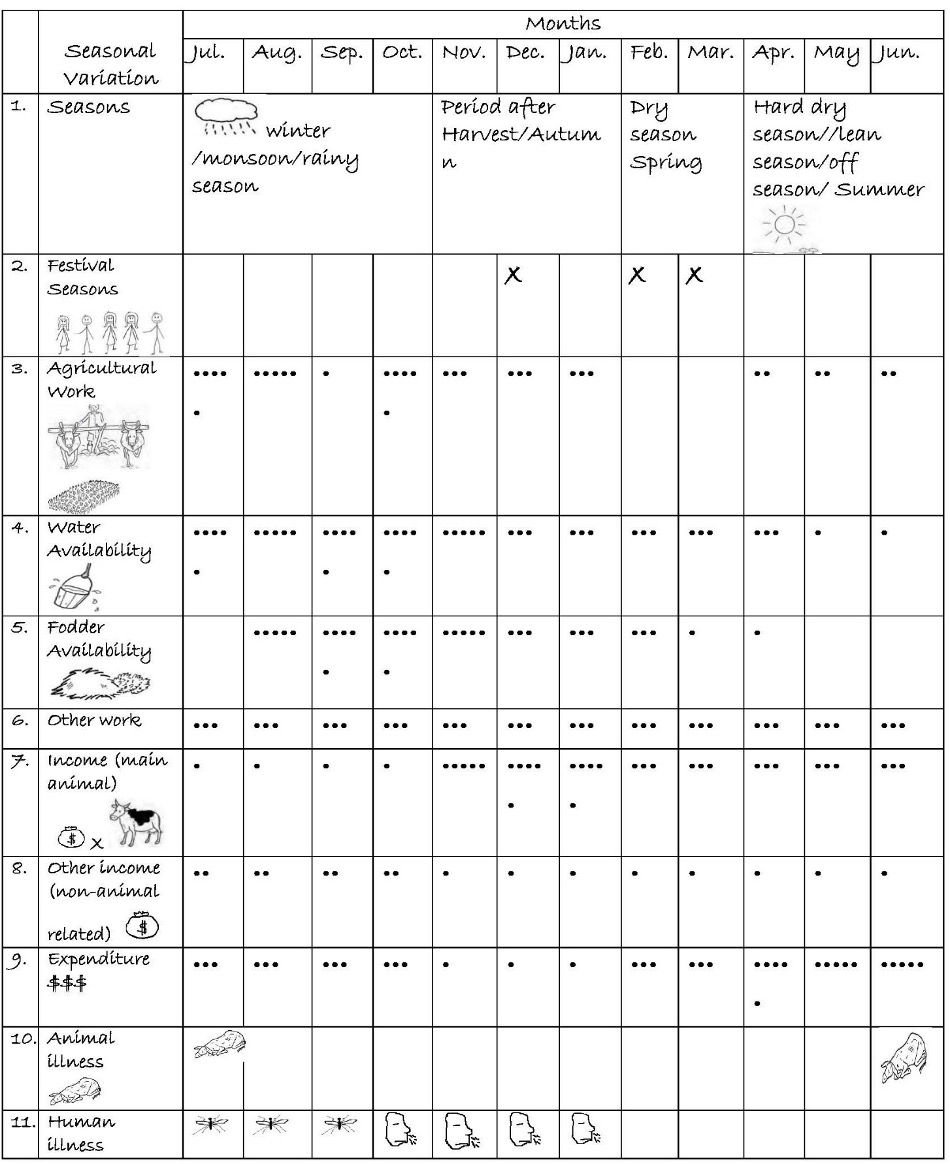
Figure T6 Seasonal calendar created by a group of animal owners in Thies, Senegal
The example above was conducted with a community, whose livelihoods depend on animals, especially during periods of agricultural harvest. Men and women primarily rely on animals to support their livelihoods, but have additional sources of income throughout the year. From this calendar, we come to understand:
- There are four seasons: Winter/Rainy or Monsoon season, Autumn/Harvest time, Spring/Dry Season, and Summer/Lean Season (1st row)
- Two major festivals take place (2nd row) in December and January/February
- Water (4th row), harvesting (3rd row) and fodder availability (5th row) are extremely low or non-existent during the dry season (Aug-Sept) and highest during the rainy season (Oct-Dec).
- Animal-related (7th row) and non-animal related (8th row) income varies between men and women, with women bringing in more non-animal-related income (8th row) throughout the year and men bringing in more animal-related income (7th row) generally.
- Both income (7th & 8th rows) and household expenditure (9th row) go up during festival months.
- There appears to be a relationship between animal body condition (10th row), availability of feed/fodder (5th row) and disease prevalence in animals (9th row):
- Animal body condition is worse and disease prevalence (9th row) higher during summer season (Jun - July), when there is low water availability, no fodder.
- Human health is also worse during the winter months (July-Sept). The issue of diseases (11th row), discussions focused on the most disease prone periods. For more details, during this exercise the communities indicated that from July to January, there is usually an outbreak of seasonal diseases like Malaria, during the rainy season (July-August-September), and; seasonal flu from October to January. Communities indicated that the fatigue accumulated during the harvesting season (3rd row) and water availability (4th row) are some of the aggravating factors.
- As far as expenses (9th row) are concerned, there are fewer expenses related to household care just after the harvests. In fact, during this period consumption is mainly derived from the harvest, and expenditure concerns other aspects such as education and health. Sometime afterwards, expenditure increases due to the reduction in food stocks and the need to prepare for the next season (seeds, inputs, etc.). Taking care of the animals during this period also requires expenditure due to the scarcity of grasses.
| Seasonal Calendar of the Lives of Animals and Communities |
|---|
| Step 1 | a) Start a discussion by asking participants about the local calendar and seasonal landmarks, for example dry or rainy seasons, before or after festival periods or religious ceremonies.
b) Ask the helper to draw a matrix on the ground or large piece of chart paper and list the identified seasons on the horizontal (top) axis including the months in which they fall.
c) On the first line of the vertical axis, add the identified seasonal landmarks (1a). Instead of words, the group may identify unique characteristics of each season and depict these using a symbol or drawing. |
| Step 2 | a) Move on to a discussion about the present season and their main work during this season. Add the work to the vertical axis. Then ask about:
b) Other work during the year
c) Income generated from the main work
d) Income generated from the other work
e) general house expenditures throughout the year
f) Big issues related to animals and humans, such as:
• Animal illness/disease
• Human illness/disease
• Availability of water/feed/fodder, etc. |
| Step 3 | Decide with the group how they will display the situation. Encourage participants depict seasonal changes using locally available materials. You may also use symbols or simply write words on cards.
For example:
• Higher income levels can be shown by placing a lot of seeds/money on the month in which this occurs, while a decrease in income the next month is shown with just a few seeds.
- Figure T6 used dots, or you can use dollar signs ($) for income, whereby five dots or $$$$$ = high income and a single dot or $ = low income (Rows 7, 8, 9)
• On the same note, you can use the dots to represent abundance or scarcity. Abundance can be represented by 5 dots whereas a single 1 dot represents scarcity; and those in between can show relative references to abundance or scarcity.
- Figure T6 used 5 dots for periods of high-water availability, 3 dots for average water availability and 1 dot for periods of water scarcity (Row 4).
• You can also use by shading Dark colours to represent periods of abundance and light colours periods of scarcity. |
| Step 4 | Explore the relationships between different seasonal events, activities and problems for animals and humans, especially those that show changes at the same time. The availability of resources either in the form of fodder or water availability or income or spending shows you what kind of physical opportunities are available to create an enabling environment for people to change their behaviour towards their animal’s welfare.
Also discuss any similarities between the well-being of animals and humans throughout the seasons. Once the calendar is complete, discuss the results of the activity with the group. |
| Step 5 | Record the community’s analysis and responses in your project action tracker. Leave the seasonal calendar with the community and take a copy/picture for your records. Follow up with the community later when you start action planning together. |
Facilitation Notes
- In exceptional cases, where there are more than 20 people in the group, consider dividing participants into smaller groups to compare the seasonal changes amongst different groups of people. Encourage people to arrange themselves into the smaller groups with those they feel share greatest similarities (e.g. men / women, owners / users).
- It may be helpful to have more than one facilitator to support/facilitate small group work and discussions, especially if there are many participants.
- Before starting this exercise, discuss the calendar focus areas (which specific aspects will be examined) and how it will be used to analyse how the welfare of working animals and their related livelihoods and well-being change in different seasons. Also, how certain changes may be linked or cause challenges in their capacity to care for their animals.
- Be clear that the aim of the activity is to discuss how seasonality affects animal welfare and people’s livelihoods and identify challenging seasons. In this way, participants’ expectations can best be managed, and potential frustrations or perceptions that facilitators are more interested in animals’ well-being than people, can be mitigated. This is particularly important given that some changes in livelihoods and well-being may be identified, but it may be beyond the capacity of the project to address them.
- New facilitators might look into historical weather and food security reports (FEWS NET) to gain an understanding of seasonal challenges that the community might be facing before meeting with the group, which will help with identifying dry/lean, rainy/fruitful seasons and historical water shortages.
Next Steps
Seasonal calendars during the rapport building stage might accompany or be created alongside one or more of the following tools:
- T3 Venn Diagram (T3a Resources and Services Venn Diagram) to understand identify animal-related resource and service providers animal-owning communities rely on most and their level of satisfaction with each one
- T4 Daily Activity Schedule to understand how people and animals in animal-owning communities spend their time
- T5 Gender Roles and Responsibilities to understand men’s and women’s roles in caregiving, and using and caring for animals
- T7 Historical Timeline to learn which major past events community members perceive to be significant to working animals and people.
Link to References Cited
QUICK LINKS
T9a: Matrix Ranking and Scoring of Animal Welfare Issues
T9b: Matrix Ranking and Scoring of Animal Service Providers
T9c: Matrix Ranking and Scoring of Sources of Credit
This PLA tool can support identification of community priorities related to a variety of topics, and you are encouraged to adapt the tool as needed to address topics relevant to your project. Step-by-step guidance for conducting this activity has been adapted from another matrix ranking/scoring tool for the following three topics: a) Animal Related Issues, b) Animal Service Providers, c) Sources of Credit [48].
T9a: Matrix Ranking and Scoring of Animal Welfare Issues
This tool uses a matrix diagram to compare animal-related issues based on community-identified reasons/criteria[1]. Matrix scoring and ranking differs from pair-wise scoring and ranking because it scores and ranks issues based on criteria agreed by participants during the exercise, rather than identifying priorities in relation to each other. This exercise enables participants and facilitators to identify priorities and gain a better understanding of the reasons underlying community’s preferences and choices and how the decision-making process happens within the group.
| Tool purpose: | Time needed: |
• To support animal owning communities in identifying their priority animal-related issues to address
• To identification of determining factors informing animal owning communities identification of priority issues.
• To understand differences in priority animal welfare issues and the criteria used to inform prioritization when activity conducted and results compared between different groups (owners/users/carers, men/women). | 2 hours |
| Materials needed: |
| chart paper, pens/markers or chalk/coloured dust, stones, pebbles, local materials (leaves, seeds, etc.) Pictures if available. |
Project Phase:
Planning Phase, Implementation Phase
Approaches for Working With Communities:
Community Development Approach, Community Engagement Approach
Stages of Change:
Contemplation Stage, Preparation Stage
Project Support:
Participatory Learning and Action Tools, Needs Assessment, Gender Analysis
Specific Topics:
Animal Husbandry and Management
Matrix ranking and scoring of animal-related issues
Matrix ranking and scoring can be used to identify and understand animal-related issues based on reasons/criteria agreed by participants. The tool can similarly be used with a greater focus on animal diseases specifically.
In the example below (Figure T9a), members of animal-owning households prioritized their working animal-related issues in terms of those felt to be most problematic, scoring each issues out of five and then ranking them. The group agreed to use frequency, severity/change of death, treatment cost, potential loss of work/income, challenging to treat to score and rank each issue. They agreed that 5 would be most serious/severe and 0 would be least serious/severe. The animal-related issue that had the highest cumulative score would be ranked as the number one priority, as it has the most severe consequences for the animal-owning households.
Figure T9a Matrix scoring and ranking of working animal-related issues
As a result of this exercise, participants identified lameness (19) as being the most significant issue, with colic (16) and hoof problems (16) were the second most important animal-related issues for the community. They decided to explore these issues further in their next session to understand the root causes.
| Scoring and Ranking of Animal-related Issues |
|---|
| Step 1 | Start by asking participants to prepare a list of animal-related issues. This could also be informed by previous discussions or tools. Alternatively, ask the group what animal-related issues can be or have been a problem in the past. It is important that the community come up with their own ideas and not be led by the facilitator. Ask the helper to draw a matrix and list the animal-related issues in the first column. |
| Step 2 | Ask the group which issues are most problematic and note the reasons why. Once the first reason is identified, encourage the group to think about other reasons. Try to group similar reasons together, such as loss of work and loss of income (Figure 9a). Have the helper add the reasons/criteria along the top row of the matrix. If there are too many criteria, encourage participants prioritise the most important ones.
Once identified, assist participants in framing the criteria as either all positive or all negative, which will keep scoring consistent and prevent confusion. For example, criteria related to cost may be framed positively as affordable or negatively as costly. Using both positive and negatively framed criteria together (e.g. easy to address (+), costly (-) might confuse the ranking or scoring process, by mixing high scores with negative meaning and positive meaning. In T9a example, 5 = serious/severe/problematic, while 0 = non-serious/mild/non-problematic. |
| Step 3 | Ask the group to score the animal-related issues listed in the first column against each of the criteria listed along the top row using up to five seeds or stones. Allow enough time for an in-depth discussion on the reasons for chosen scores and consensus reaching. Have the helper take notes for the reasons for choosing each score. |
| Step 4 | Once completed, ask the group to total each row (issues) based on the scores. Then rank the issues with the highest ranking = 1, next highest =2, and so on.
Facilitate the group to draw conclusions from the exercise by asking:
• Which issue (row) had the highest and lowest scores?
• Does everyone agree on the ranking?
• What were the reasons for these scoring decisions (if not already identified)?
• What is the significance of these scores to you?
• Which issues are the highest priority to address and why?
If participants express an interest in addressing their priority issues, encourage them to analyse the root causes or major contributing factors to their priority issues as a next step. |
| Step 5 | The matrix should be left with the community and prioritised issues added to a community action plan, which can be addressed later. Take a copy and add it to your project action tracker for future discussions and action planning |
Facilitation Notes
- Keep the group focused on the chosen topic, as this exercise has the potential to deviate from the original focus.
- Consciously or unconsciously, there may be a tendency for facilitators to include their own criteria, rather than those of the community. Encourage participants to come up with their own criteria and avoid inserting your own ideas. Some criteria may seem strange. If participants consider it important, it needs to be respected and rationale understood.
- Depending on the context, at the planning phase consider carrying out this activity separately between men and women or different groups of people (e.g. owners, users, carers) and compare the results. Differences in the roles people play in animals’ lives and/or how they depend on their animals to meet different needs can influence how people prioritize issues and make choices to act. Discuss any differences in their responses and reasons for those differences.
- Encourage participants to explore the root causes of welfare issues or challenges prior to planning actions; this will promote the identification of more effective and sustainable solutions. This can be part of discussions at the end of the activity or see next steps for recommended follow-up activities to support root cause analysis.
- Criteria should be either all positive or all negative: mixing positive and negative criteria can be confusing.
Next Steps
This activity can be followed by:
T9b: Matrix Ranking and Scoring of Animal Service Providers
This tool uses a matrix diagram to compare resource and service providers based on pre-determined criteria[1]. Matrix ranking and scoring differs from pair-wise ranking because it ranks or scores issues or items based on criteria agreed by participants during the exercise, rather than identifying priorities in relation to each other. This exercise enables participants and facilitators to identify priorities for animal-related resource and service providers and gain a better understanding of the reasons underlying community’s preferences and choices, and how the decision-making process happens within the group. Try to conduct this activity separately with owners, users and carers, including both men and women, or other relevant groups if they are likely to have different priorities.
| Tool purpose: | Time needed: |
• To identify priority resource and service providers
• To understand criteria animal-owning communities use to make choices in their use of resources and services
• To compare differences in animal and resource service provider priorities and the underlying rationales informing choices between different groups (e.g. men and women, owners/users/carers). | 2 hours |
| Materials needed: |
| Chart paper and markers or using sticks, stones, straw, local resources |
Project Phase:
Planning Phase, Implementation Phase
Approaches for Working With Communities:
Community Development Approach, Community Engagement Approach
Project Support:
Participatory Learning and Action Tools, Needs Assessment, Gender Analysis
Specific Topics:
Animal Health and Services
Matrix scoring of animal-related service providers
Service providers available in the locality are scored or ranked (see Figure T9b and T9c) against criteria participants identified as important to informing their use preferences. This exercise may be used to compare several providers of the same service (e.g. all the feed sellers) or may also be used to compare providers of different services (e.g. farrier vs agrovet vs community animal health worker etc.) Refer back to the results of T3 Venn diagram to understand the rationale for why participants rely on the animal resource and service providers. Consider using this activity to build upon the priorities identified in T8: Pairwise ranking of animal-related service and/or resource providers. However, the activity can be just as effective for prioritizing issues if used independently.
In the examples below, the services of five local animal health service providers were compared by participants within a community using a matrix scoring exercise.
Figure T9b Matrix scoring of preferences for local animal health service providers
Participants identified six criteria which they agreed were important to choosing a service provider: quality service, timely response, affordability, close proximity (distance), offers credit/repayment and friendliness/good relationship. They then scored each of the five service providers against each criteria using five seeds. Through a final discussion, participants decided to invite the prioritized health service provider to their next meeting to strengthen their relationships and negotiate a group rate for the service.
An example of the activity conducted using a ranking approach, rather than a scoring approach is also provided below for reference. The criteria are listed from top to bottom, with service providers listed from left to right. Participants were then asked to rank each service provider, against each of the criteria. The best service provider scored for the criteria was given a 1. Since there are five service providers, they would be ranked 1-5. In this example, some service providers were ranked equally and provided the same rank.
Figure T9c Matrix ranking of local animal health service providers
| Matrix Ranking and Scoring of Animal-related Service Providers |
|---|
| Step 1 | Ask participants to identify a list of resource or service providers commonly used. You may wish to refer to results from the T3 Venn diagram activity to help create the list of relevant animal-related resource and service providers for this discussion if available. |
| Step 2 | Next, ask participants to discuss which resource or service providers they prefer to use over others, and ask what their reasons for this preference are. Have participants list all the criteria they identify as informing their preferences for difference service providers. The group can add as many criteria as possible they feel necessary, although if there are many criteria listed, encourage participants to sort out which are the most important ones.
Once identified, assist participants to reframe the criteria as needed to ensure they are either all positive or all negative. For example, a criterion related to cost may be framed positively as affordable, or negatively as costly. It is important that all criteria used either be all positive, or all negative, to ensure consistency in scoring and avoid confusion that can result when calculating final scores or ranking at the end of the activity. |
| Step 3 | Matrix Scoring:
For matrix scoring, draw a matrix on the ground with the service providers listed from top to bottom in the first column, and the criteria informing preferences for use across the top row from left to right. Then ask participants use up to ten seeds or stones to score each service provider against each criterion.
Matrix Ranking:
For matrix ranking, rather than using seeds to score each service provider against each criterion, draw a matrix on the ground with the criteria listed from top to bottom in the first column, and the service providers for ranking across the top row from left to right. Ask the group to rank all the items based on the first criterion they have chosen. Then rank them all based on the second criterion and so on, until the full list of items has been compared against all the agreed criteria.
Allow enough time for in-depth discussion and analysis of the reasons for ranking or scoring and enough time to come to consensus. |
| Step 4 | When the ranking or scoring is complete, facilitate the group to draw conclusions from the exercise by asking questions.
The following guiding questions may be useful for facilitating this discussion:
• Who scored/ranked highest and lowest? Why?
• What is the significance of these scores to you?
• Do those results reflect the service providers you must rely on now? If not, why not?
• Are you satisfied that the providers you currently rely on are the best options for meeting the needs of you and your animal?
• Are there any issues preventing you from increasing your reliance on the high scored/ranking service providers? What would you suggest would need to be different to enable you rely on these service providers?
• How might you be able to better access or strengthen your relationship with these high scored/ranked service providers? |
| Step 5 | Any identified priority issues or actions can be added to the community action plan for later discussion and action planning. The matrix should be left with the community. Take a copy and add any actions to take or follow up on to your project action tracker for future reference and planning. |
Facilitation Notes
- It is very important that the facilitator keep the group focused on the chosen topic, as this exercise has the potential to deviate from the original focus.
- Consciously or unconsciously, there may be a tendency for facilitators to include their own criteria, rather than those of the community. Encourage participants to come up with their own criteria and avoid inserting your own ideas. Some criteria may seem strange. If participants consider it important, it needs to be respected and rationale understood.
- Depending on the context, at the planning phase consider carrying out this activity separately between men and women or different groups of people (e.g. owners, users, carers) and compare the results. Differences in the roles people play in animals’ lives and/or how they depend on their animals to meet different needs can influence how people prioritize issues and make choices to act. Discuss any differences in their responses and reasons for those differences. If this activity is carried about by a single gender group (men’s or women’s group), information gathered from this activity can help inform your gender analysis and planning.
- Encourage participants to explore the root causes of welfare issues or challenges prior to planning actions; this will promote the identification of more effective and sustainable solutions. This can be part of discussions at the end of the activity or see next steps for recommended follow-up activities to support root cause analysis.
- Criteria should be either all positive or all negative: mixing positive and negative criteria can be confusing.
- Facilitators must be clear about the specific topic being examined to keep the group focused.
Next Steps
T9c: Matrix Ranking and Scoring of Sources of Credit
This tool has been adapted from another matrix ranking/scoring tool to use a matrix diagram to compare sources of credit based on pre-determined criteria [48]. Matrix ranking and scoring differs from pair-wise ranking because it ranks or scores based on criteria agreed by participants during the exercise, rather than identifying priorities in relation to each other. This exercise enables participants and facilitators to identify priorities and gain a better understanding of the reasons underlying community’s preferences and choices for credit providers, and how the decision-making process happens. Try to conduct this activity separately with owners, users and carers, including both men and women, or other relevant groups if they are likely to have different priorities.
| Tool purpose: | Time needed: |
• To identify animal owning communities preferences for sources of credit and the criteria important to determining their priorities
• To generate motivation amongst animal owning communities members to form a community savings group to improve access and availability of financial resources to meet their household and animal needs
• To compare differences in priorities for sources of credit and the underlying rationales informing different groups’ priorities (e.g. men and women, owners/users/carers) | 2 hours |
| Materials needed: |
| Chart paper, pens/markers or chalk/coloured dust, stones, pebbles, local materials (leaves, seeds, etc.) |
Project Phase:
Planning Phase, Implementation Phase
Approaches for Working With Communities:
Community Development Approach
Behavioural Drivers (COM-B):
Opportunity
Project Support:
Participatory Learning and Action Tools, Needs Assessment, Gender Analysis
Specific Topics:
Livelihoods,
Group Formation / Strengthening
Matrix ranking and scoring of sources of credit
In this adaptation of the tool, different sources of credit can be analysed against agreed criteria that group members consider important to deciding which source of credit to use to borrow money. Rather than ranking across each criteria, this example ranked credit sources at the end, to allow participants to provide greater details they felt important to distinguishing between different sources of credit within the matrix itself. This exercise can also be used to motivate community members to form a self-help/savings group if one does not already exist.
T9d Scoring & ranking of different sources of credit
The credit source analysis was carried out with a self-help group in an animal-owning community. Upon completing the chart, the group revealed the following:
- Two guarantors are required for credit eligibility from money lenders and banks, whereas only one guarantor is required co-operative societies.
- Banks and co-operative societies require land as collateral to be eligible for loans, whereas money lenders do not require land - they accepting jewellery as collateral instead.
- Individuals can access interest-free loans from relatives.
- Money lenders have the highest interest rate (6%), but can provide loans very quickly.
- Banks and co-operative societies have a lower interest rate (3-4%), but the application and approval process takes a long time.
- Only loans from self-help groups offer a 1% return of interest, and also offer a relatively low rate of interest (2%) in comparison with money lenders, banks and cooperative societies, as well a quick turnaround for accessing money.
- Borrowing credit from money lenders and/or relatives can be high risk/stressful, as they often come with unrealistic timelines and heavy pressure to return money quickly, and are much less forgiving if repayment is late.
Through this exercise, the group realised that the best source of credit would be from a self-help group. This prompted the group to decide to establish a self-help group to start saving money together, so they could begin lending money amongst members to help meet the needs of their animals and families. As a result of establishing a savings groups, group members were able to being quickly accessing low-interest loans with low stress, the only condition for accessing loans from the group was that they had to be an official group member in good standing in terms of meeting the established savings contribution requirements.
| Analysis of sources of credit using ranking |
|---|
| Step 1 | Start by asking participants to discuss the different sources of credit and what is needed to access those sources. You can initiate the discussion by asking whom they might owe money to now or who they have borrowed from in the past. Draw a matrix either on the ground or on chart paper and list the sources of credit in a column. |
| Step 2 | Have the group discuss the reasons for choosing one source of credit over another. List the criteria considered when selecting a source of credit along the top row of the matrix.
Examples of selection criteria might include:
• Accessibility (ease of access)
• Eligibility or collateral required
• Interest rate charged
• Interest rate returned (from contributions to a savings group)
• Availability / timeliness of accessing loans
• Loan repayment flexibility (instalments vs one lump sum)
• Threat or stress associated paying back the loan
The group can add as many criteria as they feel are relevant. If there are many criteria listed, encourage participants to prioritise the most important ones. |
| Step 3 | Have the group fill in the matrix criteria for each source of credit.
Once identified, assist participants in framing the criteria as either all positive or all negative, which will keep scoring consistent and prevent confusion. For example, criteria related to accessibility may be framed positively as ‘ease of accesses, or negatively as ‘difficult to accesses. Using both positive and negatively framed criteria together e.g. easy to access (+), difficult to access (-) might confuse the ranking or scoring process, by mixing high scores with negative meaning and positive meaning. |
| Step 4 | Upon completion, ask the group to total each row based on the scores that they have assigned each criterion. If a self-help is identified as a credit option, consider ranking the sources of credit in addition to scoring. If a self-help group is not an option, it is not necessary to rank the sources of credit. In this case, it might be an appropriate time to introduce the option of a self-help group.
Then, have the group rank the scores if a self-help group was identified, with the number one (1) having the highest score, number two having the second (2) highest score and so on. |
| Step 5 | Ask the group to draw conclusions from the exercise by asking:
• What are some reasons for needing credit?
• Which sources of credit are used most often to meet your needs? Do you use any of these sources of credit to help you meet the needs of your animals as well e.g. to pay for health services, or purchase feed or equipment?
If have self-help groups have not been identified as a source of credit, then consider these discussion questions:
• Based on the criteria and the results of this exercise, are you satisfied that the sources of credit you currently rely on are the best options to meet your credit needs?
• What are the benefits of starting or joining a group like for example self-help group or animal welfare group or saving and credit cooperatives? |
| Step 6 | The matrix should be left with the community and opportunities to learn more about group formation and collective action activities added to a community action plan, which can be addressed later. Take a copy and add it to your project action tracker for future discussions and action planning. |
Facilitation Notes
- It is very important that the facilitator keep the group focused on the chosen topic, as this exercise has the potential to deviate from the original focus.
- Consciously or unconsciously, there may be a tendency for facilitators to include their own criteria, rather than those of the community. Encourage participants to come up with their own criteria and avoid inserting your own ideas. Some criteria may seem strange. If participants consider it important, it needs to be respected and rationale understood.
- Depending on the context, at the planning phase consider carrying out this activity separately between men and women or different groups of people (e.g. owners, users, carers) and compare the results. Differences in the roles people play in animals’ lives and/or how they depend on their animals to meet different needs can influence how people prioritize issues and make choices to act. Discuss any differences in their responses and reasons for those differences.
- Encourage participants to explore the root causes of welfare issues or challenges prior to planning actions; this will promote the identification of more effective and sustainable solutions. This can be part of discussions at the end of the activity or see next steps for recommended follow-up activities to support root cause analysis.
- Criteria should be either all positive or all negative: mixing positive and negative criteria can be confusing.
- Facilitators must be clear about the specific topic being examined to keep the group focused.
Next Steps
- This activity can be followed by T15 Cost-Benefit Analysis to explore the costs and benefits to people and animals of different solutions to credit sources, including alternative sources, thereby helping to generate motivation to take action.
- Use understandings gained about what motivates animal owning communities to inform the design of projects and/or strategies.
Link to References Cited
QUICK LINKS
T12 Dependency analysis Resources and Services
Dependency analysis planning
T12 Facilitator's NOTES
T12 NEXT STEPS
This tool analyses the household’s dependency on internal actors e.g., household or community, and external actors for resources and services, such as water, feed and/or grazing land, shelter, financial resources, equipment for working animals (e.g., harnesses, carts), grooming supplies, and services, such as animal health service providers. This exercise may also be adapted to assess dependency in contexts where key stakeholders are comprised of only a single group (e.g., women only).
| Tool purpose: | Time needed: |
• To increase community awareness of their dependencies on external resources and service provision actors and potential implications for promoting animal welfare.
• To motivate participants to take action to reduce unnecessary dependency on external actors and improve their self-sufficiency. Activity discussions can motivate collective action and group formation.
• To identify project support required to support animal-owning communities in reducing their dependency on external actors.
• To monitor changes in reduced dependency on external actors and improvements in self-reliance, which can serve as a proxy indicator of improved resilience/reducing community vulnerability to vulnerable | 2-3 hours |
| Materials needed: |
| Chalk, coloured dust, stick, stones, pebbles, cards or paper, pens and any other locally available resources to represent service or resources. |
Project Phase:
Planning Phase, Implementation Phase, Exit & Evaluation Phase
Approaches for Working With Communities:
Community Development Approach
Behavioural Drivers (COM-B):
Behaviour Change Diagnosis and Planning, Opportunity, Motivation
Project Support:
Participatory Learning and Action Tools, Needs Assessment, Monitoring and Evaluation
Specific Topics:
Animal Health and Services, Vulnerability / Resilience, Group Formation / Strengthening
Dependency Analysis
An animal-owning community used this activity to explore their dependency on external actors.
Figure T12a Dependency analysis – blank template
Figure T12b Dependency analysis produced by an animal-owning community
The group identified twelve resource and service providers on whom they felt they had an external dependency. After scoring their level of dependency, they discussed the reasons for the dependencies:
Figure T12c Dependency analysis – reasons for external dependencies and challenges
The group identified opportunities for action to improve animal welfare:
- The community requested support to learn how to make first aid kits for their animals, so they could stock basic medicines for treatment in their own village.
- Women decided to use their collective savings from their self-help group to purchase a grinder to begin making their own grain and thereby decreasing their cost of animal feed.
Through these actions, the group was able to reduce their vulnerability and improve their self-sufficiency.
| Dependency Analysis |
|---|
| Planning phase – Community action planning |
| Step 1 | Start by asking the group to think of all the resources and services they use to care for their animals and have the helper write them down. |
| Step 2 | Ask the community helper to draw a large table, either on the ground or on chart paper. There should be three main columns: ‘Resources & services’, ‘external dependency’ and ‘household/internal’ (See figure T12a). |
| Step 3 | Start analysing external dependency versus household/internal control, by asking the question: do you depend on an outside source to be able to provide this resource or service to your animal? Provide examples as necessary, such as shopkeepers to buy equipment and materials, feed/fodder sellers to buy feed/fodder, farriers to trim hooves. Have the group score the listed resources and services using seeds or pebbles out of a total score of 10.
Please note: If a household needed veterinary treatment for an injured animal, the external control might be scored as 6/10, as they are dependent on the veterinarian to provide treatment. If they do not rely on anyone externally (e.g. they produce all the feed & fodder themselves), the external score is 0 and the household/internal score is 10. |
| Step 4 | Ask participants to analyse their dependency on external actors based on the chart they have produced. Ask the community helper to record the responses or note them yourself. The following questions may be used to guide the discussion:
• Why do you depend on external actors for certain resources or services? (If not already identified through the exercise)
- If externally dependent actors have not already been identified through discussions, ask participants to identify them.
• How can you improve animal welfare by reducing your dependency on external actors?
• Are there collective actions that the community could take to reduce external dependency? |
| Step 5 | After this discussion, ask participants what actions they can take towards making these changes. Help the group to qualify short-term (~3 months) versus long-term actions (more than a year). If there is a long list of issues and associated actions, have the group prioritise just one or two to focus on before the next meeting.
Have the helper record the actions and linked activities in the community action plan. Make sure to include who will monitor it and a realistic timeline. Support the community by linking them to any necessary stakeholders. |
| Implementation phase - Participatory monitoring |
| Step 6 | Repeat steps 1-3 (above) to assess the changes agreed by the community in step 4 within the community action plan, by comparing with the previous activity outputs (step 5).
Initiate a final discussion using the following questions as guidance:
• Why have changes occurred or not? What are the reasons for changes?
• How have changes impacted on animal welfare and their own lives?
Comparing the past results to present situation can generate useful discussion about perceived improvements in animal welfare and related benefits to people’s livelihoods and well-being that have resulted from changes. |
Facilitation Notes
- Decide the group dynamics ahead of time and whether it would be best carried out with men and women (or other subgroups) separately or in a mixed group. This will depend on your rapport with the community, culture and local gender dynamics.
- If conducted separately between men and women, consider bringing the two groups back together at the end of the activity to review the results of each chart and resolve any discrepancies if time allows.
- An in-depth analysis of dependency on external actors (step 4) can take considerable time, so discuss this in advance with the group in preparation.
Next Steps
- Record the community’s short and long-term actions and related activities to your project action tracker. Revisit the activities in the next meeting to monitor their progress and what further support is required.
- T10 Gender Control Analysis is a useful tool for exploring the differences in internal control (within the household) between men and women.
- T13 Income, Expenditure and Credit Analysis is a useful follow-up tool for analyzing dependency on external actors for financial resources and motivating participants to take collective action to reduce expenditures or increase access to savings and credit through the formation of self-help groups.
Tool adapted from: Flora & Fauna, Resource Access and Control (2013)
Link to References Cited
QUICK LINKS
T15a Cost-Benefit Analysis - Animal Welfare Practices
T15b Cost-Benefit Analysis - Prevention and Treatment of Animal Health Issues
T15c Cost-Benefit Analysis - Feeding Practices
This PLA may be conducted to explore the potential benefits, risks and affordability of different practices to enable participants to thoroughly examine the implications of their choices for more informed decision-making. This tool includes step-by-step guidance for three different versions, including:
- T15a Cost-Benefit Analysis - Animal Welfare Practices
- T15b Cost-Benefit Analysis - Prevention and Treatment of Animal Health Issues
- T15c Cost-Benefit Analysis - Feeding Practices
T15a: Cost-Benefit Analysis - Animal Welfare Practices
This tool explores the potential benefits, risks, and affordability of adopting different animal welfare-related practices to both people and their animals, thereby enabling participants to thoroughly examine the implications of their choices for more informed decision making. By promoting understanding of the benefits of changing their behaviours or practices to improve animal welfare, along with the costs and effects of existing practices, this exercise promotes animal welfare improvements by generating motivation and commitment to change, and identifies opportunities for reducing costs through collective action.
| Tool purpose: | Time needed: |
• To promote understanding of the potential effects/costs and benefits of improving animal welfare practices for both animals and people.
• To motivate participants to adopt new practices, either independently or collectively, to improve the welfare of their animals.
• To identify ways to reduce costs of adopting new practices to improve animal welfare through collective group action. | 2 hours |
| Materials needed: |
| Chart paper, index cards or sticky notes, pens/markers, chalk and/or locally available materials |
Project Phase:
Planning Phase, Implementation Phase
Approaches for Working With Communities: Community Development Approach, Community Engagement Approach
Behavioural Drivers (COM-B):
Motivation, Opportunity
Stages of Behaviour Change: Contemplation Stage
Project Support: Participatory Learning and Action Tools
Specific Topics: Animal Husbandry and Management Practices, Livelihoods, Group Formation / Strengthening
Cost-benefit analysis of animal welfare practices
This exercise facilitates assessment of the costs and benefits of adopting different animal husbandry and management practices such as: feeding and watering, sheltering, humane handling, freedom of movement/no hobbling, allowing animals to socialize together, grooming, using welfare friendly equipment etc.
In the example below, animal-owning participants assessed the costs and benefits of adopting animal welfare practices that were previously identified as gaps during the T21 Animal Welfare Practice Gap Analysis.
T15a Cost-benefit analysis of improved animal welfare practices
The above example was produced by a group of animal-owners in a brick kiln community in Pakistan who identified lack of provision of balanced feed as an animal welfare practice gap.
Through discussions, the group identified the following as key learnings:
- A balanced ration can be purchased by spending only Rs 50 more per day individually
- Keeping the animal healthy is not only important for the health and wellbeing of the animal, but also for the family
Through discussions, the group identified the following possible solutions:
- A few people decided that they would add maize to their regular feed ration
- The group agreed to explore purchasing feed in bulk because it will save time and they can purchase it collectively at a reduced cost
| Cost-benefit Analysis of Animal Welfare Practices |
|---|
| Step 1 | Before undertaking this activity, identify key behaviours necessary for improving animal welfare that have been difficult to change amongst the community. For this exercise, have the community select only one hard to change behaviour for analysis at a time, where low motivation and/or high costs have been identified as hindering adoption. |
| Step 2 | Start by drawing a matrix and write the difficult behaviour selected in step 1 in the top row. Ask a community helper to assist in creating the matrix if time and capacity permits. |
| Step 3 | Start the discussion by asking the group to identify the perceived costs of adopting the practice, in terms of money, time and labour. Allow the community to identify the costs important to them without leading them and have the community helper write the costs on cards using words or symbols and place them in the matrix. |
| Step 4 | Once the costs of adopting the new practice is identified, ask participants to specify the benefits to the animal. After the benefits to the animal are identified, ask participants to identify the benefits to the household and have the community helper write the benefits on cards using words or symbols and place them in the matrix. |
| Step 5 | Once the matrix is complete for adopting the new practice, ask participants to identify the effects/costs on the animal if the new practice is not adopted. After these effects/costs to the animal are identified, ask them to identify any effects/costs on the household. Have the community helper write the effects/costs on cards using words or symbols and place them in the matrix. |
| Step 6 | Once the matrix is complete, review it with participants to assess the costs and benefits of adopting the new practice. The following guiding questions may be used to facilitate the discussion:
• What have you learned from this exercise?
• What are possible solutions to reduce the negative impacts to animal welfare and your household, while also mitigating the potential costs to your household of adopting the new practice? (Either at household or group level)
• Who needs to do what differently and how often?
Have the community helper document the key learnings and possible solutions from the discussions. Based on the discussion, prompt the group to decide on what actions they wish to take, any support needed and who will monitor. Add them to the community action plan. |
| Step 7 | The matrix should be left with the community. A copy should be made for reference for future discussions and action planning. Add a copy to your project action tracker along with any identified needs for support or actions that need to be taken by the project. Make sure to add identified gaps in knowledge or understanding to your action tracker, as well as any plans to further sensitize animal-owning households in these areas. |
Facilitator’s notes: Cost-benefit analysis of animal welfare practices
- This tool is best conducted with participants who have already been introduced to concepts of animal welfare, understand animals’ needs and best practices. Consider using any or all of the following tools before undertaking a cost-benefit analysis. T19, T21, and T22 are particularly recommended, as reviewing their findings prior to this activity can help to identify the hard to change behaviours.
- Make sure that participants consider more than just the financial costs when deciding whether to adopt any new practices.
- It may be useful for professionals, such as vets or community animal health workers, to be present for this activity to advise on the animal welfare implications of any identified solutions. This will promote understanding of costs and benefits to animals and resolve any misconceptions about animal welfare issues and best practices.
- Consider using any combination of writing, drawings, symbols or number scoring and/or locally available materials to represent costs and benefits identified to enable participants to understand and discuss the matrix once finalized.
- When participants’ are considering the effects on the animal, encourage them to think about the physical, behavioural, mental/emotional state of the animal.
- In contexts where male and female household members have different animal-related roles and responsibilities (e.g. ownership, care, use, financial decision making), conduct this activity with all household members who have key roles and responsibilities associated with the specific animal welfare practices being assessed and for which change is desired.
- When new practices or behaviours are relatively easy to adopt with little risk or cost (e.g. grooming), it may be possible to assess more than a few behaviours in one session without overwhelming participants.
- As changes in existing practices are achieved, and/or new priorities emerge, consider conducting this activity again to generate motivation for change in other animal welfare and management practices.
Next Steps
- The following tools are recommended for use as a reflective learning exercise to understand whether any of the originally perceived costs and benefits were realized as a result of changes adopted to practices:
- T11 Change Analysis (T11b Before and now analysis)
- Participants may monitor animal-based welfare indicators to assess changes in animal welfare resulting from their changes in practice. Consider using animal-based welfare indicators developed in the following exercises:
T15b: Cost-Benefit Analysis - Prevention and Treatment of Animal Health Issues
This tool explores the potential benefits, risks, and affordability of preventing and treating animal health issues to both the animal and their owners, users and carers thereby enabling participants to thoroughly examine the implications of their choices for more informed decision making. By promoting understanding of the benefits of changing their behaviours or practices to improve animal welfare, along with the costs of inaction, this exercise can support animal welfare improvements by generating motivation and commitment to change, and identify opportunities for reducing costs through collective action.
| Tool purpose: | Time needed: |
• Promote understanding of the potential costs and benefits of preventing and/or treating animal health issues and effects of inaction for both animals and people.
• To motivate participants to take action, either independently or collectively, to improve the health their animals.
• Identify ways to reduce costs of adopting new practices to improve animal health through collective group action. | 2-3 hours |
| Materials needed: |
| Chart paper, index cards or sticky notes, pens/markers, chalk, stones, pebbles, local materials (leaves, seeds, etc.) |
Project Phase:
Planning Phase, Implementation Phase
Approaches for Working With Communities: Community Development Approach, Community Engagement Approach
Behavioural Drivers (COM-B):
Motivation, Opportunity
Stages of Behaviour Change: Contemplation, Preparation Stage
Project Support: Participatory Learning and Action Tools
Specific Topics: Animal Health and Services, Livelihoods, Group Formation / Strengthening
Cost-benefit analysis of prevention and treatment of animal health issues
This version of the cost-benefit analysis promotes prevention and treatment of animal diseases or illnesses by assessing the costs and benefits of each to humans and animals, and potential effects if no action is taken. This activity can identify opportunities for collective action to reduce the costs associated with preventing and treating some animal health issues e.g. reduced rate group vaccinations.
In the example below, a cost-benefit analysis was conducted with an animal-owning group when prevention and treatment of animal illnesses were identified as a gaps in their welfare practices using the T21 animal welfare practice gap analysis exercise. The costs and benefits of prevention and treatment were assessed for the two highest priority illnesses previously identified by the community using the T8 pairwise ranking and scoring.
T15b Cost-benefit analysis of preventing and treating tetanus and colic
| Cost-benefit analysis of prevention and treatment of animal health issues |
|---|
| Step 1 | Before undertaking this activity, identify a priority disease or illness which has been difficult to encourage the community to adopt prevention or treatment measure. Consider reviewing findings from T1c Mapping - disease, T8 pairwise ranking and scoring or T9 matrix ranking and scoring to identify priority illnesses or diseases to analyse with the group. For this exercise, select only one disease to analyse at a time. |
| Step 2 | Start by asking the community helper to draw a matrix and list ‘prevention’ and ‘treatment’ along top of the matrix. |
| Step 3 | Ask participants about the main factors they consider when weighing the costs and benefits of preventing or treating the animal disease/illness being assessed. The group may add as many factors as they feel necessary.
The facilitator may probe the participants to consider the following factors if not initially identified, however factors should only be included which the participants use to inform their decision making:
• Cost of treatment/prevention
• Disease/illness frequency
• Severity
• Prevention/treatment cost
• Effectiveness
• Loss of work/income due to animal illness (for working animals)
Ask the community helper to list identified factors in the first column of the matrix.
As a facilitator, ensure that the benefits to both animals and people are well represented by adding ‘benefits/effects on animal’ and ‘benefits/effects on household’ to the matrix once participants have identified the factors they consider when deciding whether to take preventative measures for illness/disease being assessed. Facilitate the group to fill in the matrix. |
| Step 4 | Once the matrix is complete, review with participants.
Use the following guiding questions to facilitate the discussion:
• What have you learned from this exercise?
• What are the benefits to both animal and household of taking preventative measures rather than seeking treatment?
• What are possible solutions for reducing this disease/illness that reduce the costs for households?
• Are there opportunities to take collective action to reduce the costs?
• What steps would you take to put these solutions into practice?
Based on the discussion, prompt the group to decide on what actions they wish to take, any support needed, responsible parties and add them to the community action plan. |
| Step 5 | The matrix should be documented, either through photos or recreated on paper. Copies should be made and distributed to the group for their records and for reference for future discussions and action planning. Add a copy to your project action tracker along with any identified needs for support or actions that need to be taken by the project. |
Facilitator’s Notes: Cost-benefit analysis
- As this exercise may take some time to complete, limit the number of assessed diseases/illnesses to the main 2-3 priorities. More can be added as time permits or the activity can be conducted again in the future to assess other illnesses/diseases. This is important to reducing the likelihood that participants’ become overwhelmed and/or demotivated to change as a result of the number of changes they are being asked to consider.
- As changes in existing practices are achieved and/or new priorities emerge, consider conducting this activity again to generate motivation for change in other animal welfare and management practices.
- This tool is best conducted with participants’ who have already been introduced to concepts of animal welfare, understand animals’ needs and best practices. Consider using any or all of the following tools before undertaking a cost benefit analysis:
- In contexts where male and female household members have different animal-related roles and responsibilities (e.g. ownership, care, use, financial decision making), conduct this activity with all household members who have key roles and responsibilities associated with the specific animal welfare practices being assessed, and for which change is desired.
- If literacy amongst participants is low, consider filling in the matrix using symbols, drawings, or number scoring rather than written text to represent general concepts (e.g. +/-, ?/?/☹). The facilitator is responsible for asking questions and facilitating discussions about representations in the matrix to promote understanding and engagement of all participants. See example in animal feed cost-benefit analysis.
- It is common for participants to start by analysing the financial costs and benefits of alternative animal welfare practices and naturally seek out the cheapest options. Your role as a facilitator is to ensure that animal welfare costs and benefits are included in the discussions, along with their related implications on animal-owning households.
Next Steps
- Address any misconceptions or gaps in knowledge or understanding that were added to your project action tracker (plans for additional outreach, trainings, or experiential learning activities to further sensitize animal-owning households within their own action plan).
- The following tools are recommended for use as a reflective learning exercise to understand whether any of the originally perceived costs and benefits of action were realized as a result of changes adopted to practices.
- T11 Change Analysis (T11b Before and now analysis)
- Participants may monitor animal-based welfare indicators to assess changes in animal welfare resulting from their changes in practice. Consider using animal-based welfare indicators developed in the following exercises:
T15c: Cost-Benefit Analysis - Feeding Practices
This tool explores the potential benefits, risks and affordability of adopting different animal feeding practices to both the animal and their owners, users and carers thereby enabling participants to thoroughly examine the implications of their choices for more informed decision making. By promoting understanding of the benefits of changing their current feeding practices to improve animal welfare, along with the costs of maintaining the current situation, this exercise can support animal welfare improvements by generating motivation and commitment to change, and identify opportunities for reducing costs through collective action.
| Tool purpose: | Time needed: |
• To promote understanding of the potential costs and benefits of improving animal feeding practices and effects of inaction for both animals and people
• To motivate participants to take action, either independently or collectively, to improve the welfare their animals
• To identify ways to reduce costs of adopting new feeding practices to improve animal welfare through collective group action. | 2-3 hours |
| Materials needed: |
| Chart paper, index cards or sticky notes, pens/markers, chalk, stones, pebbles, local materials (leaves, seeds, etc.) |
Project Phase:
Planning Phase, Implementation PhaseExit & Evaluation Phase
Approaches for Working With Communities: Community Development Approach, Community Engagement Approach
Behavioural Drivers (COM-B):
Motivation, Opportunity
Stages of Behaviour Change: Contemplation, Preparation Stage
Project Support: Participatory Learning and Action Tools
Specific Topics: Animal Husbandry and Management, Group Formation / Strengthening
Feeding practice analysis
In our experience, many working animals are thin and community groups identify feeding as one of their main concerns. Root cause analyses often highlight difficulties in finding enough good quality food of high nutritional value and the high cost is often considered a barrier. The feeding practice analysis explores whether changes in animal feeding practices will lead to better animal welfare outcomes whilst remaining affordable. It can assess current feeding practices, the nutritional content of different feeds and/or general effect on the animal, and the best formulation of feed at low cost. Finally, this tool can identify opportunities to improve the affordability of feeds through collective action.
T15c Cost-benefit analysis of animal feeding practices in Halaba, Ethiopia
| Cost-benefit Analysis of Feeding Practices |
|---|
| Step 1 | Start by asking participants to discuss different types of feed available throughout the year, not just those which are currently available. Ask the community helper to draw a matrix on the ground or a large piece of chart paper, list the difference types of feed down the first column using words, symbols, pictures, or locally available materials to represent the different feed types. |
| Step 2 | Ask participants to list the factors they consider when weighing the costs and benefits of using the different feeds. The group may add as many factors as they feel necessary.
The facilitator may probe the participants to consider the following factors if not initially identified, however factors should only be included which the participants use to inform their decision making:
• Cost
• Availability (seasonal/annual)
• Access (ease of obtaining)
• Nutritional value for promoting animal health and productivity
• Discounts for buying in bulk
Ask the community helper to list identified factors along the top row of the matrix.
Please note: As a facilitator, ensure that the nutritional value for promoting animal health and productivity is included in the matrix if not already identified by participants so that the assessment of costs and benefits of different feed types do not solely consider factors important to households. |
| Step 3 | Facilitate the group to fill in the matrix. Consider using any combination of writing, drawings, symbols, number scoring (e.g. 🙂/😐/☹️, +/-) and/or locally available materials to complete the matrix so participants can understand and discuss it. |
| Step 4 | Review the matrix with participants to assess the costs and benefits associated with changing feeding practices to improve animal welfare.
Use the following guiding questions to facilitate the discussion:
• Which of these feeds do you currently use?
• What is the cost of the feed currently being provided (allow participants to specify in terms that are relevant to them e.g. daily/weekly cost)?
• Do you think it would be better to use a different formulation of feed than you currently use given each type of feed has a different potential benefit for your animals?
• What feeds/formulations would have the highest nutritional content and greatest benefit for animals at lowest cost for households?
• Are there opportunities to adopt these improved formulations of feed through collective action/purchase to get a reduced group rate?
• What steps would you take to put these solutions into practice?
Based on the discussion, prompt the group to decide on what actions they wish to take, any support needed, and responsible parties, and add them to the community action plan. |
| Step 5 | The matrix should be documented, either through photos or recreated on paper. Copies should be made and distributed to the group for their records and for reference for future discussions and action planning. Add a copy to your project action tracker, along with any identified needs for support or actions that need to be taken by the project. |
| Step 6 | The diagram should be documented through photos or recreated on paper. Copies should be made and distributed to the group for their records, future reference and/or action planning. Add a copy to your project action tracker and note preferred resource and service providers. |
Facilitator’s Notes: Cost-benefit analysis
- Participants should be sensitized to the nutritional value of different feed types available in their locality and the benefits to promoting animal welfare using easily understood local language. Ideally, this would happen shortly before this activity is conducted.
- It is useful for professionals, such as vets or community animal health workers, to be present for this activity to advise on the nutritional content of different feeds to promote understanding and accurate accounting of potential costs and benefits to animals of different feeds and support development of a locally appropriate feeding plan.
- Make sure that participants consider more than just the financial costs when deciding whether to change feeding practices. Ensure that planned changes do not reduce household costs at the expense of animal welfare.
- This tool is best conducted with participants’ who have already been introduced to concepts of animal welfare, understand animals’ needs and best practices. Consider using any or all of the following tools before undertaking a cost benefit analysis:
- In contexts where male and female household members have different animal-related roles and responsibilities (e.g. ownership, care, use, financial decision making), conduct this activity with all household members who have key roles and responsibilities associated with the specific animal welfare practices being assessed, and for which change is desired.
- If literacy amongst participants is low, consider filling in the matrix using symbols, drawings, or number scoring rather than written text to represent general concepts (e.g. 🙂/😐/☹️, +/-). The facilitator is responsible for asking questions and facilitating discussions about representations in the matrix to promote understanding and engagement of all participants. See example in animal feed cost-benefit analysis.
- It is common for participants to start by analyzing the financial costs and benefits of alternative animal welfare practices and naturally seek out the cheapest options. Your role as a facilitator is to ensure that animal welfare costs and benefits are included in the discussions, along with their related implications on animal-owning households.
- Focus on assessing only a few top priority animal welfare practices at a time to reduce the likelihood that participants’ become overwhelmed and/or demotivated to change as a result of the number of changes they are being asked to consider. This is important if the changes are perceived as challenging or high risk to adopt. However, when new practices or behaviours are relatively easy to adopt with little risk or cost (e.g. grooming), it may be possible to assess more than a few without overwhelming participants.
- As changes in existing practices are achieved and/or new priorities emerge, consider repeating this activity with other animal welfare and management practices.
Next Steps
- Add identified misconceptions or gaps in knowledge/understanding to your project action tracker, along with any of the community’s plans for outreach, trainings or experiential sensitization/learning activities.
- Use the following tools as reflective learning exercises to understand whether any of the originally perceived costs and benefits were realized as a result of adopted changes:
- T11 Change Analysis (T11b Before and now analysis)
- Participants may monitor animal-based welfare indicators to assess changes in animal welfare resulting from their changes in practice. Consider using animal-based welfare indicators developed in the following exercises:
Link to References Cited